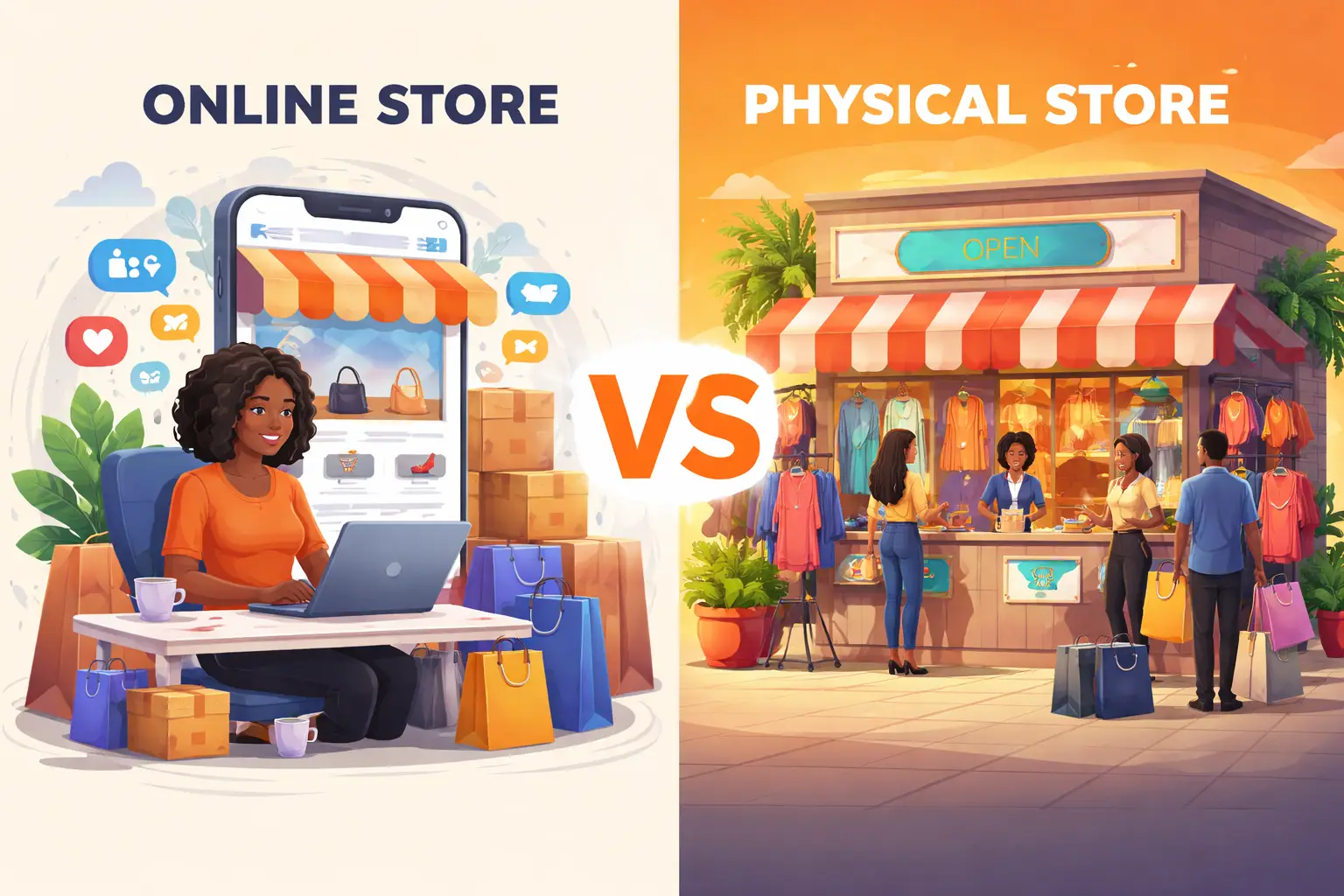

In Uganda’s bustling and rapidly evolving business environment, aspiring entrepreneurs are constantly faced with a tough decision: should they start an online business or set up a physical store? Both models have their advantages and challenges, but for many new business owners, the decision often comes down to cost, visibility, and sustainability especially in a landscape where rent fees can be prohibitively high in the metropolitan area.
Let’s break it down.
The Reality of Physical Stores in Uganda
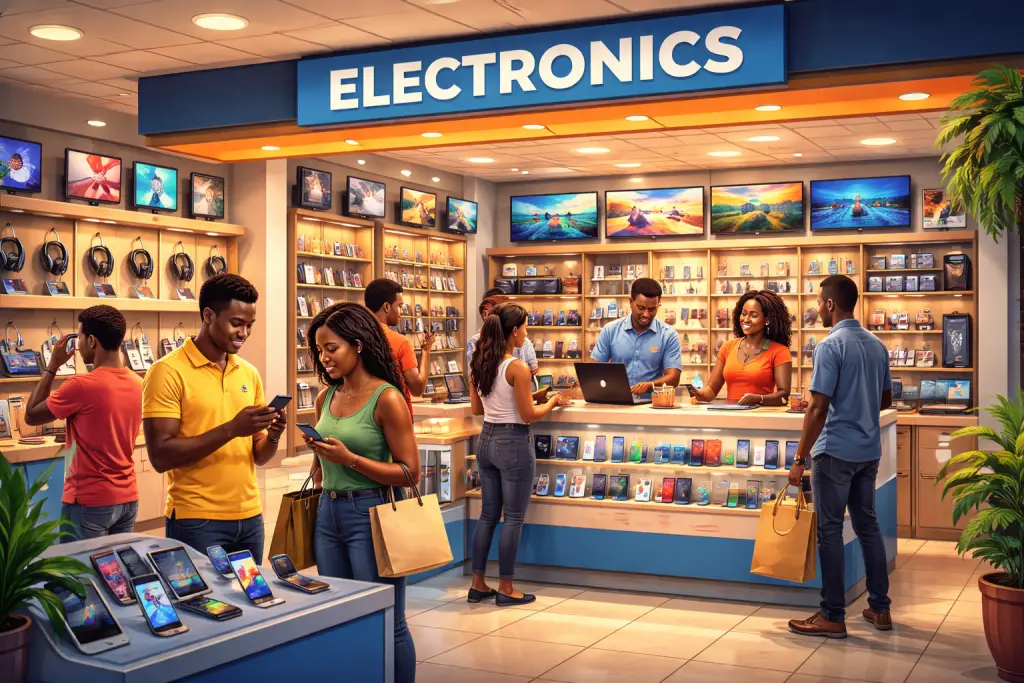
Opening a physical store in major Ugandan cities like Kampala, Entebbe, or Jinja can be expensive and risky especially when one wants to capture the easy walk-ins on the streets.
Here’s why:
High Rent Fees
The closer to the road/streets, the higher the rent fees. Prime locations obviously come with heavy rent a major burden for someone just starting out. Many entrepreneurs find that a large portion of their startup capital goes into securing a storefront (a minimum of 3 – 4 months rent when starting), leaving little for inventory, advertising, or staff even without selling anything yet.
Operational Costs
Rent isn’t the only expense. Utilities, employees, security, maintenance, and taxes add to the monthly financial pressure even the owner chooses to be the attendant, data, feeding and transport to and fro are usually under-looked.
Local Foot Traffic
In Kampala, or any urban center in Uganda, physical stores rely heavily on walk-in customers. If your shop isn’t in a prime location or you don’t have strong visibility, attracting customers can be slow — at least in the early stages, this leaves business owners to take advantage of free platforms like Tiktok to front their products or services regardless of their location.
💡 However, if a physical store thrives, it can be a powerful advantage. A well-established brick-and-mortar business gives customers tangible trust in your brand. People can see, feel, and interact with your products something that still holds value in the Ugandan market but with the growing digital world, some business owners are resorting to 100% cost efficiency by running the risk to go fully online.
But physical stores’ visibility must be backed by clear advertising strategies, such as:
- Outdoor signage (Clear Branding & Captivating)
- Radio or community ads (Clear communication & Consistency)
- Flyers, human billboards and local promotions (Clear attraction & customer pull)
- Partnerships with local influencers (Trust brand partnerships)
Without promotion, even the best physical store can go unnoticed, so getting a prime spot might not guarantee sales if a little work is not done .
The Rise of Online Businesses in Uganda
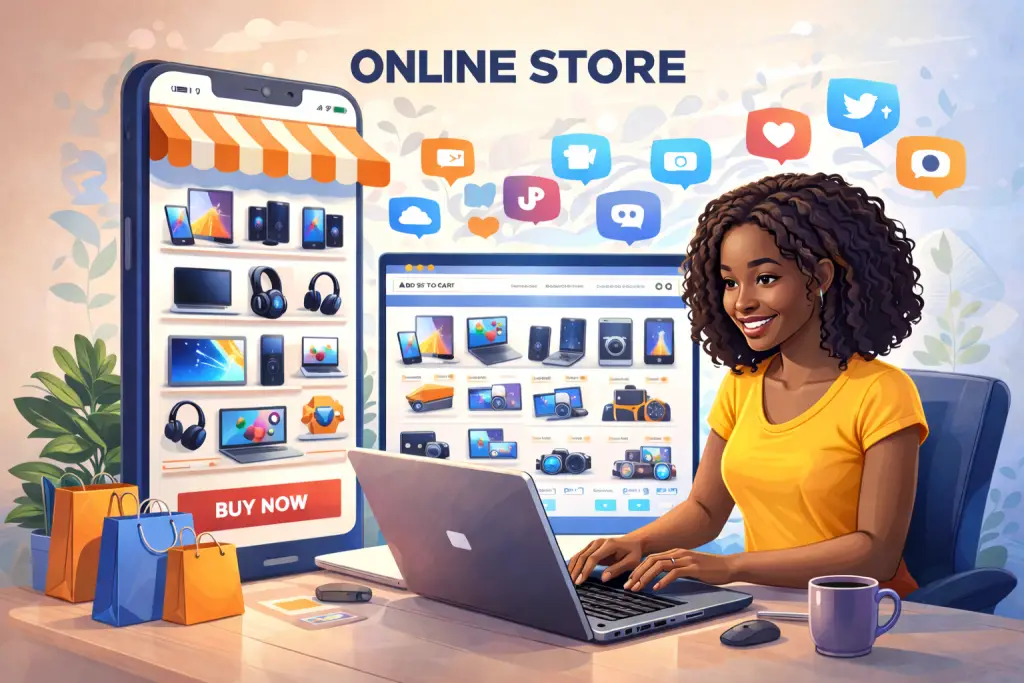
Starting a business online has become increasingly popular and for good reasons such as below;
Lower Startup Costs
With social media platforms like Facebook, Instagram, TikTok, and WhatsApp, entrepreneurs can promote and sell products for free. You don’t pay rent, and if you create beautiful content and build engagement, customers can find you organically. The fees required to start are easily manageable; a device (phone or laptop or both), internet and product suppliers.
Flexible Reach
Online stores let you connect with customers across Uganda and even beyond without being limited to a city or local neighborhood or having to call and inconvenience whoever goes past the store.
Affordable Website Options
If your budget allows, a functional website adds credibility and makes payments and cataloguing easier. But even without a website, social media can be a full business platform, such as Tiktok, and meta platforms.
Flexible for “window shoppers”
Online stores naturally accommodate window shoppers, people who simply want to browse, compare, and explore without any pressure to buy. Customers can take their time scrolling through products, prices, and reviews at their own pace, from anywhere, without feeling watched or rushed by sales staff.
Unlike physical stores, online platforms can host thousands of viewers at the same time without overcrowding, interruptions, or discomfort. Businesses can effectively “control” and manage traffic digitally through catalogs, categories, and filters, ensuring a seamless browsing experience for everyone.
Physical stores can attempt to replicate this experience through open displays or digital catalogs in-store, but they remain limited by space, staffing, and the number of people they can comfortably accommodate at once.
The Importance of Transparency
One pitfall of online businesses is trust. Customers want clear communication about:
- Product quality
- Pricing
- Delivery processes and fees
- Refunds or returns
Being transparent builds loyalty, reduces disputes, and earns referrals which is essential for growth thats why at Digital Sentro, we commend to have both Privacy & Return Policies and thats functional website of-course. One can choose to pin these on their platforms if they don’t have one. However, it doesn’t look smart.
In today’s Ugandan business landscape, the question is no longer simply “online or physical?” but rather “how can both work together?” Online stores offer affordability, flexibility, and wider reach making them the most practical starting point for many entrepreneurs facing high rental costs. They allow businesses to build trust, test markets, and grow with minimal risk and later grow into a physical store.
On the other hand, physical stores still hold significant value, especially for businesses that have already established themselves. A physical presence can strengthen credibility, create deeper customer relationships, and enhance brand visibility but only when paired with clear and consistent advertising strategies.
Ultimately, the most successful businesses are those that blend both models: starting online to minimize costs and build demand, then expanding into physical spaces when the business is stable and sustainable. In Uganda’s evolving economy, adaptability, transparency, and smart strategy matter more than the format of the store.
Here’s a simple comparison:
| Factor | Online Store | Physical Store |
|---|---|---|
| Startup Cost | Low mainly internet, phone, and social media | High rent, utilities, staff, and setup |
| Reach | Nationwide (and beyond) | Limited to local area |
| Customer Trust | Built through transparency, reviews, and branding | Stronger because customers can see products physically |
| Window Shopping | Easy and unlimited | Limited by space and crowd size |
| Operating Costs | Very low | High and continuous |
| Advertising Need | Social media and digital marketing | Both offline and online advertising needed |
| Scalability | Easy to scale | Harder and more expensive to expand |
| Best For | Startups and small businesses | Established and growing brands |
Just like Digital Sentro, starting 100% online since our services require meeting customers and scheduling online meetings, in our opinion, office space isn’t necessary now. However, we do have our privacy policy here.